



If you’ve been in the business a while, you know that property upkeep is a task you have to manage daily, whether that’s reaching out to vendors, communicating with tenants, logging work orders, or shopping for new services and upgrades.
Because it’s such a large investment of your time and resources, getting maintenance down to a science can seriously benefit your bottom line (not to mention your peace of mind).
Let’s look at some strategies to stay on top of repair requests before they even emerge.
5 Must-Know Property Manager Maintenance Tips
An effective property management maintenance strategy starts with knowing exactly how you’ll make repairs and which you’ll prioritize. Keep these five tips in mind as you build out your maintenance management plan.
#1: Understand Essential Property Management Maintenance Services
There’s likely dozens of ways a property can be improved, but always prioritize those that may cause a health or safety hazard. That can include anything from fixing loose railings to ensuring all alarms on your property are functioning. You should also always have a plan in place in the event of natural disaster and the appropriate insurance if your property is at risk.
Beyond these immediate risks, you should prioritize any outstanding maintenance requests tenants have made. These issues hit (literally) close to home for your renters. Handling them quickly keeps renters happy and further strengthens your reputation. Simple issues can also snowball into more costly repairs quickly if left unfixed.
Keep in mind that, under the Fair Housing Act, failure to perform or delaying maintenance can be seen as a form of discrimination or retaliation against a tenant. Having an efficient method of completing maintenance requests can help you avoid costly disputes or even legal action down the line.
#2: Make Submitting a Maintenance Request Effortless With Maintenance Software
To alleviate the stress or unexpected repairs for both your team and your tenants, make submitting work orders as simple as possible.
Establish a go-to channel that tenants know they can use to contact you. Many property management companies use email, text, or a web form, but all of those options can get messy quickly.
A resident portal via property management maintenance software can be used to make requests easily, organize them, and track their progress. This is the same interface that tenants can use to pay rent, receive important updates, and field any other type of communication, so there aren’t any additional sites to navigate or hoops to jump through.
It’s also a way for your team to keep tabs on the progress of work orders and access all the relevant details on that particular tenant or unit in a central hub.
Read more: Fielding Communications Without Inundating Your Staff
#3: Account for Seasonality
Changing weather creates new sets of tasks and challenges for property managers, so be sure to account for the ways you’ll need to adapt your property for each new season.
We recommend creating seasonal checklists to supplement your general, year-round checklist. The sections below will show you just what to include in those lists.
For a deeper dive on how to prepare for each season, take a look at our in-depth posts on spring, fall, and winter rental property maintenance.
#4: Stay Engaged With Your Vendors
Strong relationships with vendors translates to high-quality, more cost-effective services for your business. There are a few ways you can build those valuable connections.
First, take a look at your existing contracts and past services from vendors. Do an audit of the most successful working relationships and consider expanding those partnerships as the need arises. Having a way for tenants to share their feedback on work orders can help determine which vendors to expand your contracts with, as well.
Knowing which recurring maintenance tasks you’ll need to complete can also help you line up contracts ahead of time. This can be particularly helpful when seasonal demand for services, such as snow clearing, jumps.
If you have a larger property management company, consider hiring certain specialists (be anything from groundskeepers to plumbers) as employees. You’ll have greater flexibility and control when it comes to regular maintenance or emergency repairs.
#5: Find the Right Tools for the Job
No, we’re not talking about switching between Phillips and flathead screwdrivers. The right tools for property management maintenance are all about technology that helps you get the job done faster and with fewer surprises.
There are all types of tools out there to help you track work orders, process vendor invoices, and communicate with your residents. But, remember, the goal is to reduce your work, not make more of it. That’s why we recommend a comprehensive property management software solution to manage all your repairs, from initial tenant requests to payment (and even 1099 filing) all in one place.
Jump to the end of this guide to see what that platform looks like in action.
What About Upgrades?
There’s always a new buzzworthy amenity or smart home appliance attracting renters’ attention. The upgrades worth investing in, however, are the ones that:
Attract more applicants and demand higher rental value
Help you run your properties more efficiently
Many upgrades can actually do both. Smart thermostats, motion-sensing lights and smart bulbs, and upgraded ENERGY STAR-certified appliances such as washer/dryer units, refrigerators, and dishwashers can all cut down on bills while making your units feel more modern and convenient.
Going Green
Especially in the wake of rising energy prices, green and energy-efficient upgrades can result in impressive ROI. These upgrades include:
Heating and cooling systems
Hot water heaters
Proper insulation
High-performing windows
Electric appliances
Winter-proofing and summer-proofing your property
The 2022 Inflation Reduction Act (IRA) gives owners and property managers even more incentives to make energy-efficient upgrades. Specific incentives include:
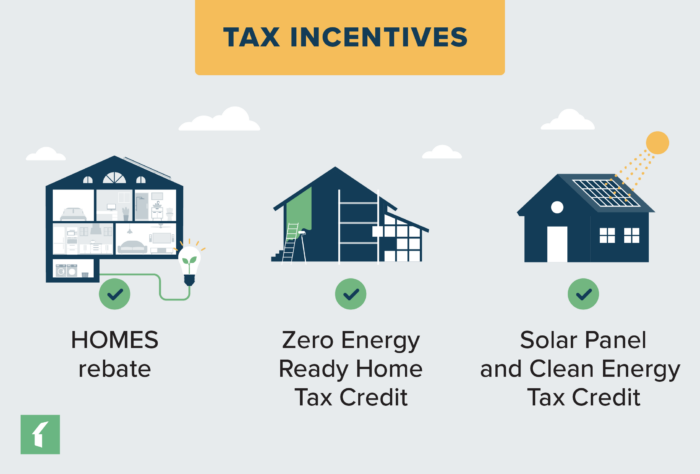
The HOMES Rebate: Landlords and property managers who are willing to undertake whole-house, energy-saving retrofits are eligible for a rebate based on the amount of energy savings.
The Zero Energy Ready Home Tax Credit: Developers can receive a $5,000 tax credit for each home they build that meets certain energy-saving requirements.
The Solar Panel and Clean Energy Tax Credit: Qualifying property managers can receive an energy efficient property credit worth up to 30% of the panel cost for their commercial or residential property, plus an additional 10% if the panels are being installed on a low-income property.
Read more on Eco-Friendly Property Upgrades
For multifamily properties, shared workspaces, common areas, package delivery rooms, designated storage spots, and well-kept outdoor spaces are all amenities that renters value and could be differentiators in their decision to send in an application.
Single-family renters put more of a focus on the safety and convenience of neighborhoods than on particular amenities, although staples such as high-speed Internet and upgraded appliances still make a difference.


